LifeStance’s proposed $3.03M pixel settlement: mental-health data and a five-year pixel limit (2026)
At a glance
- Brought by
- Private litigation
- Company
- LifeStance Health
- Sector
- Behavioral health
- Law
- Privacy and tracking claims
- Amount
- $3.03M (proposed)
- Date
- Proposed settlement 2026
- Status
- Proposed, final hearing Oct 16, 2026
Summary
A private class action alleged that Meta and Google tracking on mental-health provider LifeStance‘s website disclosed patients’ information to those companies. LifeStance agreed to a proposed $3,027,874.44 settlement and to stop using third-party tracking pixels other than HIPAA-compliant ones for five years. It denies wrongdoing, and final approval is pending.
What happened
The case is Strong v. LifeStance Health Group, Inc., in the U.S. District Court for the District of Arizona, and covers March 1, 2020 to April 30, 2023. The final approval hearing is set for October 16, 2026. Because LifeStance is a behavioral-health provider, a visit to its site can signal a mental-health concern.
The mechanism
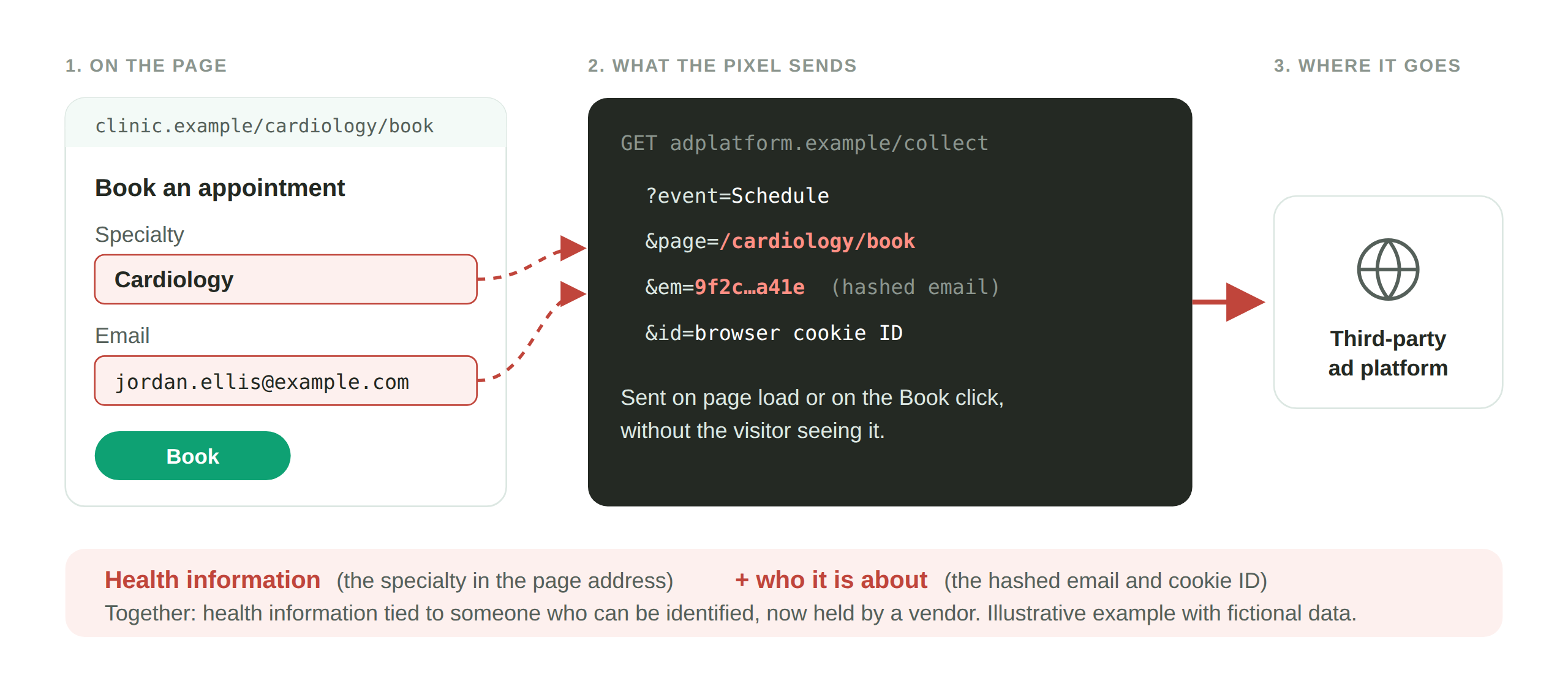
The sensitivity is the point: activity on a mental-health provider’s site is about as sensitive as web activity gets. The five-year term on pixels is the settlement’s most notable condition.
Why it was preventable
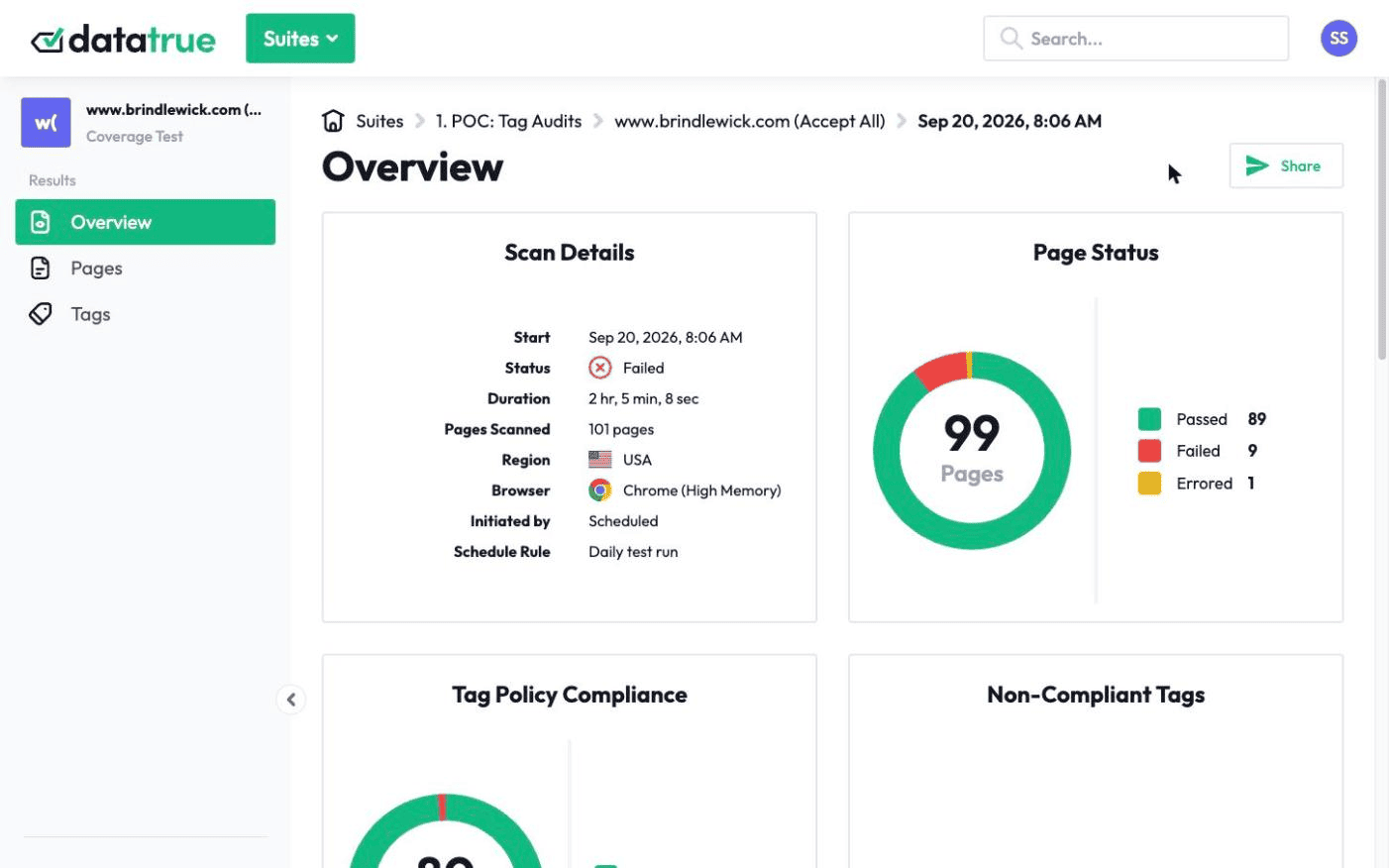
The dollar figure here is mid-size, but the data involved was sensitive and the tags were visible. A scan of the site in a real consent state, reading what each tag sends, would have shown what was going to Meta and Google. The five-year term is, in effect, the settlement mandating the kind of ongoing tag control a monitoring tool provides.
The settlement’s terms
Under the settlement, LifeStance agreed that it has stopped, or will stop, using all third-party tracking pixels, to the extent any remain, other than those compliant with the Health Insurance Portability and Accountability Act (HIPAA), for five years from the settlement’s effective date.
Timeline
- Mar 1, 2020 to Apr 30, 2023class period.
- 2026proposed settlement; final approval hearing October 16, 2026.
Source
Settlement, Strong v. LifeStance Health Group (D. Ariz., 2:23-cv-00682).
Questions
How much is the LifeStance settlement, and what else does it require?
$3,027,874.44, plus a term under which LifeStance agreed to stop using third-party tracking pixels other than HIPAA-compliant ones for five years. It is a proposed settlement, with a final approval hearing on October 16, 2026.
Why is this data so sensitive?
LifeStance is a behavioral-health provider, so activity on its website can signal a mental-health concern. That is about as sensitive as web activity gets.
What did the pixels do?
The lawsuit alleged that the Meta Pixel and Google Analytics on LifeStance’s website disclosed patients’ personally identifiable information to Meta and Google.
Related cases
Aspen Dental’s pixel-tracking settlement
Meta Pixel and Google Analytics on appointment site (alleged)
Kaiser Permanente’s pixel settlement
Quantum Metric, X, Adobe, Bing, Google trackers
Penn Medicine’s $9.25M pixel settlement
Five trackers incl. TikTok; two-year conditional ad-tech limit
See what your tags send before it becomes a case
DataTrue runs real journeys on your site in each consent state and reads what each tag sends, field by field. A tag sending what it should not shows up in a test.
- Every page, with coverage scans
- Scheduled runs, with alerts when a result changes
- Full journeys, like checkout and signup, in each consent state
- What each tag sent, field by field
- PII detection with test personas
- iOS and Android app testing
- Pre-publish testing for GTM and Adobe Tags
- REST API, plus Slack and Jira alerts
The full platform, every feature, free for 30 days.